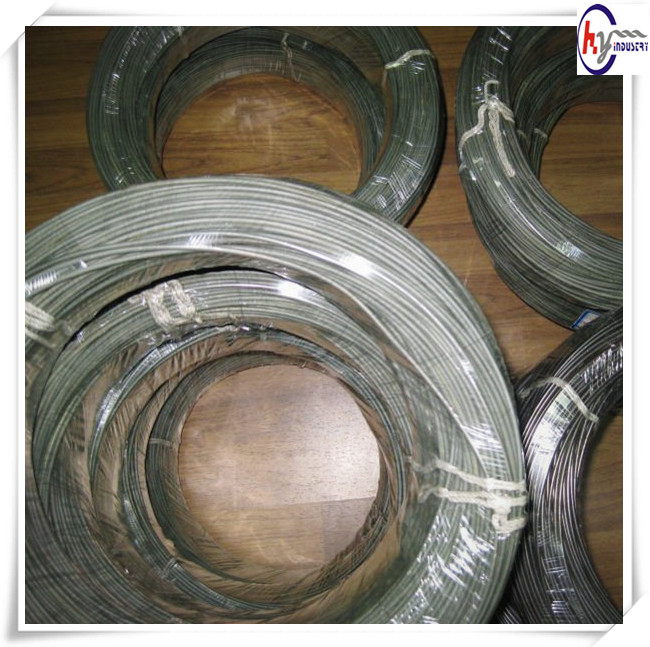
10 Years Manufacturer Nickel Alloy Inconel 718 UNS N07718 Wholesale to Accra
We insist on offering high quality production with good business concept, honest sales and the best and fast service. it will bring you not only the high quality product and huge profit, but the most significant is to occupy the endless market for 10 Years Manufacturer Nickel Alloy Inconel 718 UNS N07718 Wholesale to Accra, With the aim of "compete with good quality and develop with creativity" and the service principle of "take customers' demand as orientation", we will earnestly provide qualified products and good service for domestic and international customers.
HY 718 Material grades and equivalents
Inconel 718 / GB GH4169 / UNS N07718 / SEW VDIUV W.Nr.2.4668 NiCr19Fe19Nb5Mo3 / BS NA 51 / AFNOR NC19FeNb
HY 718 Chemical composition
|
Alloy |
% |
Ni |
Cr |
Fe |
Mo |
Nb |
Co |
C |
Mn |
Si |
S |
Cu |
Al |
Ti |
|
718 |
Min. |
50 |
17 |
balance |
2.8 |
4.75 |
0.2 |
0.7 |
||||||
|
Max. |
55 |
21 |
3.3 |
5.5 |
1 |
0.08 |
0.35 |
0.35 |
0.01 |
0.3 |
0.8 |
1.15 |
HY 718 Physical properties
|
Density |
8.2 g/cm3 |
|
Melting point |
1260-1340 ℃ |
HY 718 Alloy minimum mechanical properties in the roomtemperature
|
Alloy |
Tensile strength |
Yield strength |
Elongation |
Brinell hardness |
|
Solution treatment |
965 |
550 |
30 |
≤363 |
718 Characteristic as below:
1.workability
2.High tensile strength,endurance strength,creep strength and rupture strength at 700℃.
3.High inoxidability at1000℃.
4.Steady mechanical performance in the low temperature.
5.Good welding performance.
HY 718 Metallurgical structure
718alloy is Austenitic structure, precipitation hardening generate “γ” made it excellent mechanical performance. G rain boundary generate “δ” made it the best plasticity in the heat treatment.
HY 718 Corrosion resistance
718 alloy with extremely resistance to stress corrosion cracking and pitting ability in high temperature or low temperature environments, especially the inoxidability in the high temperature.
HY 718 Application field:
The elevated temperature strength, excellent corrosion resistance and workability at 700℃ properties made it use in a wide range of high requirement environments.
1.Steam turbine
2.Liquid-fuel rocket
3.Cryogenic engineering
4.Acid environment
5.Nuclear engineering
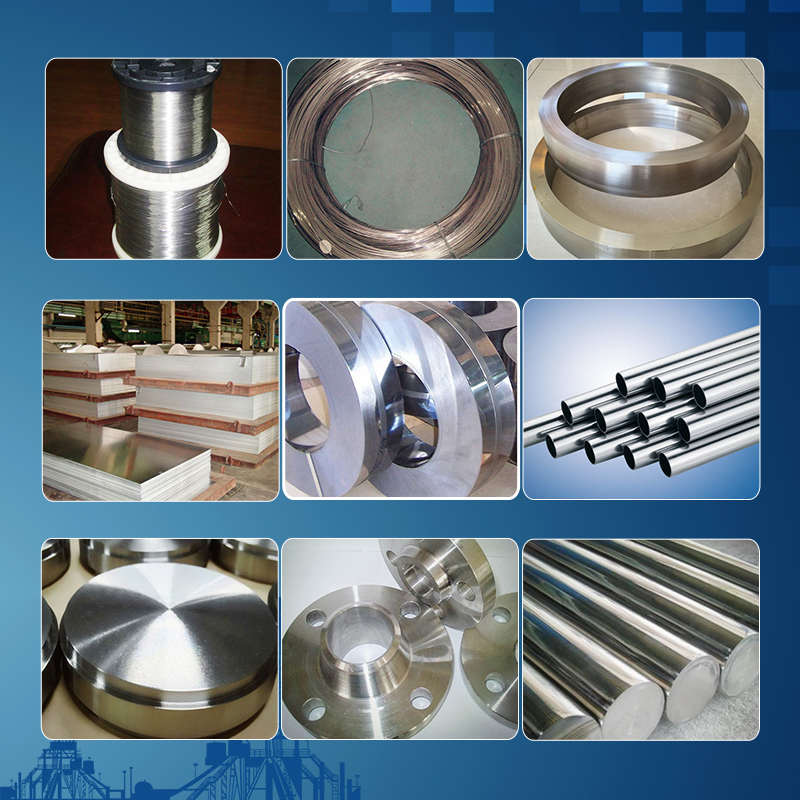
| Regular shape for all kinds of alloys | |||
| Form | Specification | Supply Form | Others |
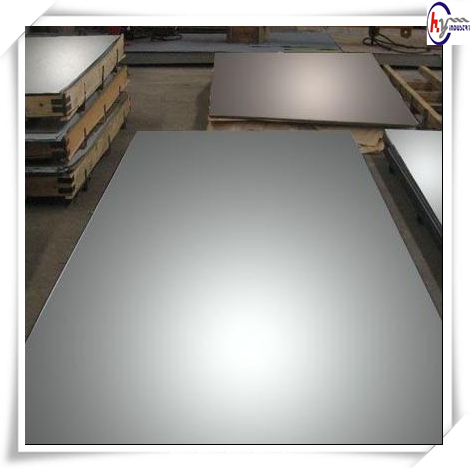
| Sheet | Thickness:0.40-4.75mm,General Width:1000、1219、1500mm | Whole Coil or piece of it | Cold Annealed,Surface 2B、2E |
| Plate | Thickness:4.76-60mm,Width:1500、2000、2500mm,Length:3000、6000、8000、8500mm(Under 10mm plate can be coiled) | Whole Coil or piece of it | Single hot rolling,Solid solution annealed state,Surface 1D |
| Belt | Thickness:0.10-3.0mm,Width:50-500mm | Whole Coil or Specified size | Cold Annealed,Surface 2B、2E |
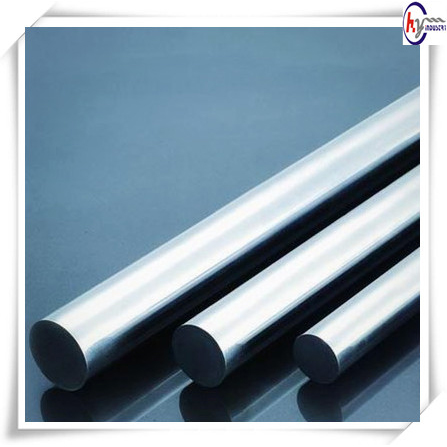
| Bar & Rod | Rolled barΦ5-45mm,Length≤1500mm | Polished Bar(circle、Square) | Solution annealing,descaling |
| Forged barΦ26-245mm,Length≤4000mm | |||
| Weld tube | Outer diameterΦ4.76-135mm,Wall Thickness0.25-4.00mm,Length:≤35000 mm | Base on your requirement | |
| Seamless Tube | Outer diameterΦ3-114mm,Wall Thickness0.2-4.5mm | Base on your requirement | |
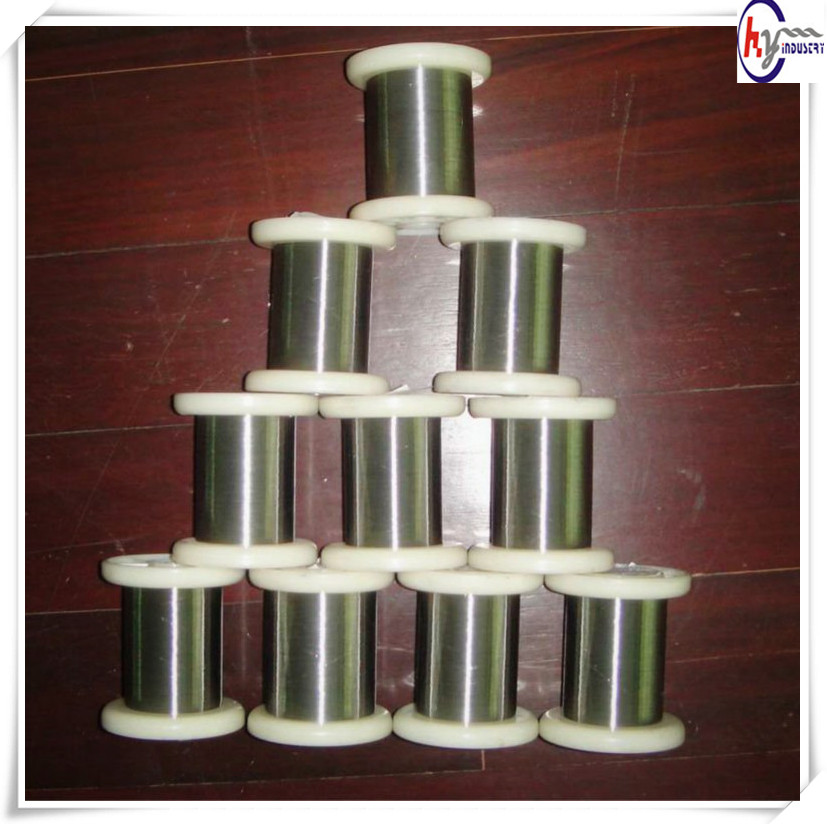
| Wire | Outer diameterΦ0.1-13mm | Base on your requirement | Ni & Ni alloy, Ti & Ti alloy |
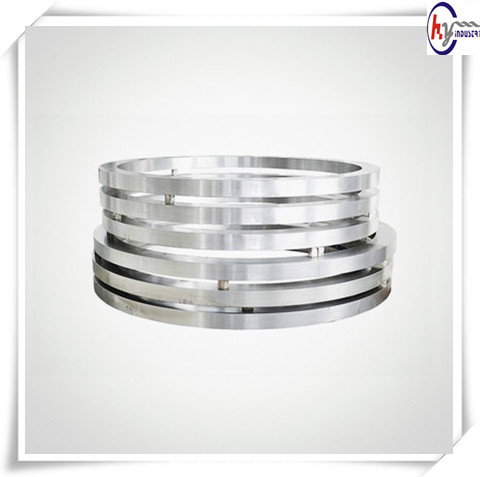
| Forged piece | discs,rings,squares,blocks,slabs | Base on your requirement | Steel, Alloy |
| Flangs | All kinds of Flangs | Base on your requirement | Steel, Alloy |
| Welding Material | Coil wire Φ0.025mm-1.6mm | Base on your requirement | Certificate of Origin:America, Sweden, Britain, Germany, Austria, Italy, France. |
| Straight WireΦ1.6mm-4.0mm | |||
| Welding rodΦ1.2mm-4.0mm | |||
| Tube | Elbow, three links, four links, different diameter size | Base on your requirement | Ni & Ni alloy, Ti & Ti alloy |
| Explosive bonded laminate | Raw Sheet Thickness≥2mm | Base on your requirement | Ni & Ni alloy, Ti & Ti alloy |
NEW 2016 Chrysler three hundred S Alloy Edition Sedan with a Gloss Black Paint finish. AWD that seats five with a three.two L V-six engine and an eight velocity computerized transmission. 19″ alluminum alloy rims with Michelin Primacy MXM4 tires. This sedan will come thoroughly loaded with keyless entry, distant get started, power locks, home windows, mirrors, Beats by Dre audio system, AM/FM, Sirius Sat radio, Lcd display screen in the entrance with back up digicam, leather all over with heated entrance and rear seats and so significantly a lot more. Come check out it out at Ponoka Chrysler and see what else it has to present, we are located on the south conclusion of Ponoka just off of HWY 2A.
Stock# 16C37644
Sarah Johnson,
Ponoka Chrysler
6510 39th Ave Ponoka, AB T4J 1J8
Toll Cost-free: 1(800) 265-6851
Cellphone: (403) 783-5383
Fax: (403) 783-8140
E-mail: sjohnson@ponokachrysler.com
Like us on Fb- https://www.facebook.com/PonokaChrysler/
Abide by us on Instargram- https://www.instagram.com/ponokadodge/
Abide by us on Twitter- https://twitter.com/PonokaDodgeRam
Abide by us on Pintrest- https://www.pinterest.com/ponokachrysler/
Visit my site for additional Recommendations, Films, Do it yourself assignments and additional:
http://www.mjlorton.com/
—————————–Click “Display additional”—————————————
A information on making use of the correct applications to crimp connectors, strip wire and implement warmth shrink.
You should guidance my information generation by making use of my Amazon Retail store:
http://astore.amazon.com/m0711-twenty
Purchase these applications and connectors below: http://astore.amazon.com/m0711-twenty?node=ten&site=one
——————— Click “Display additional” ——————————-
My site and forum:- http://www.mjlorton.com
Donations and contributions:- http://www.mjlorton.com
My techie channel MJLorton – Solar Power and Digital Measurement Products – http://www.youtube.com/MJLorton
My Techie Amazon Retail store: http://astore.amazon.com/m0711-twenty
My other channel VBlogMag – For nearly any matter beneath the sun! – http://www.youtube.com/VBlogMag
My VBlogMag Amazon Retail store: http://astore.amazon.com/vblogmag-twenty
———————————————————————–
=================================================
Online video sponsor, Pass Ltd – their internet websites:
http://www.tester.co.united kingdom/?cmid=QmhzQjcxYjVlc1E9&afid=bFcwbzliNzVDc289&ats=K2EyUjZNTDh3UTA9 – Examination Products and Examination-meter suppliers and
http://www.calibrate.co.united kingdom/?cmid=QmhzQjcxYjVlc1E9&afid=bFcwbzliNzVDc289&ats=S3Yxd2tOMjVISzA9 – Calibration and support of exam tools
=================================================
Additional dialogue and link to NASA information below:
http://mjlorton.com/forum/index.php?matter=244.
In this online video:
* Deciding upon the correct wire gauge (AWG – American Wire Gauge) for the crimp connector.
* Employing the correct applications to strip the insulation from the wire.
* The correct way to insert the wire into the crimp connector
* Employing the correct crimp applications to crimp the connector
* How to implement warmth shrink accurately to the wire and crimp connector.